
Logistics
Bill of lading vs air waybill: what is the difference?
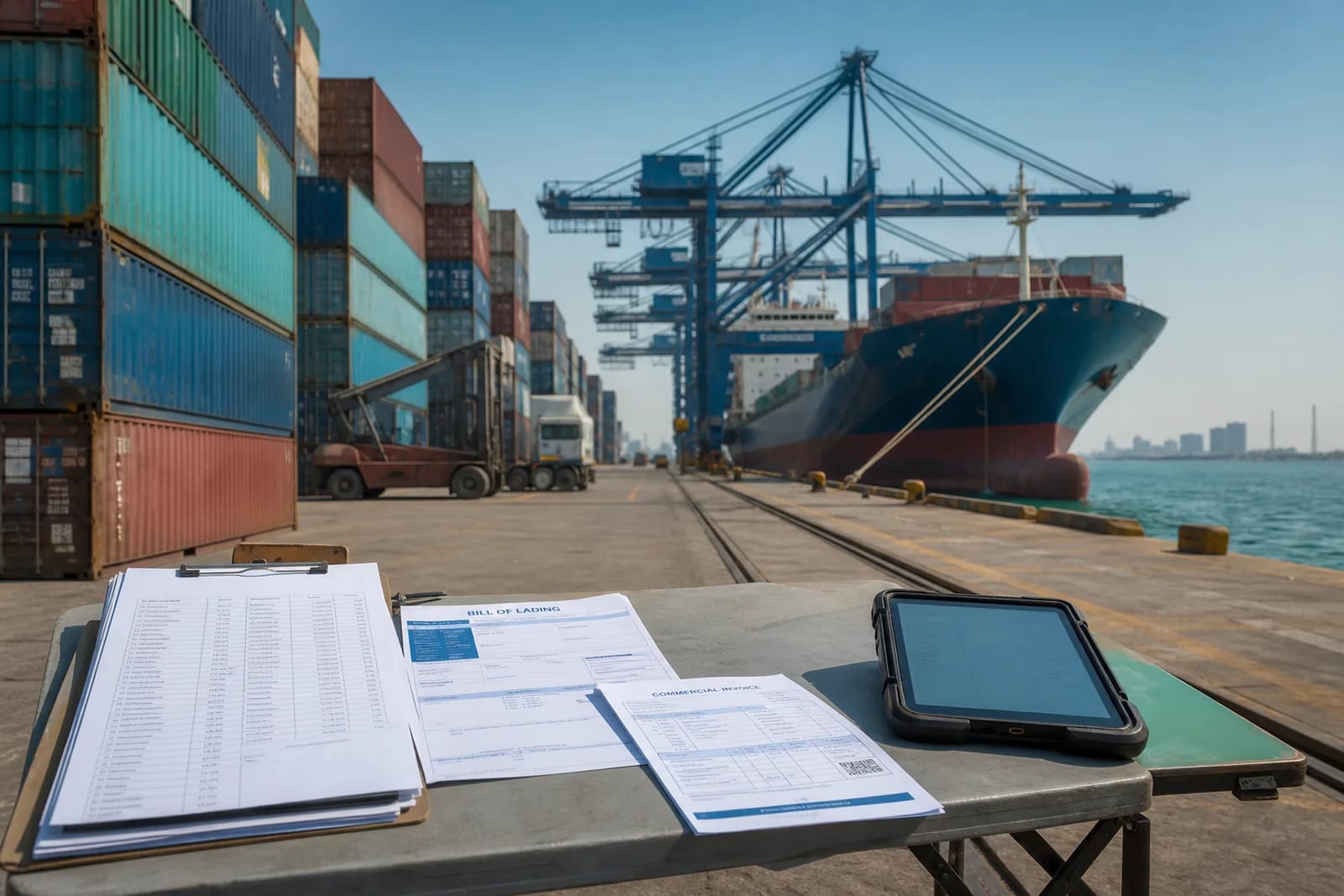
A bill of lading is the transport document for sea freight. It is the carrier's receipt for the goods, evidence of the contract of carriage, and, when issued as a negotiable "to order" bill, a document of title: whoever holds the original can claim the cargo. An air waybill is the transport document for air freight. It is a receipt and a contract of carriage too, but it is never a document of title, so the goods are released to the named consignee without an original paper.
Why does the title difference matter?
Because it decides how you get your goods and how you get paid. With a negotiable bill of lading, a seller can hold the originals until the buyer pays, often through a bank under a letter of credit. If the originals are late, the buyer cannot collect the cargo, and the container can start running up port charges. With an air waybill, the cargo goes to the consignee named on it, so payment security has to come from somewhere else.
What is a sea waybill or telex release?
A sea waybill is a non-negotiable sea document that works like an air waybill: the named consignee collects the cargo without presenting an original. A telex release (also called express release) is when the shipper surrenders the original bill of lading at origin and the carrier tells its destination office to release the goods. Both avoid waiting for paper, but both remove the seller's hold over the goods, so use them only when payment is already secured.
What should match across documents?
The shipper, consignee, description, number of packages and weight on the bill of lading or air waybill should agree with the commercial invoice and packing list. Customs compares them. See the import documents checklist for the full set.
Track the original, not just the PDF
Missing originals are a common cause of demurrage and detention charges. In Customer Flow the bill of lading or air waybill is recorded on the shipment with its number and date, and each shipment shows its stage and what it is still waiting for, so a missing document is visible before the vessel arrives. Any port charges that follow go into the landed cost; try the free landed cost calculator.