
Logistics
Demurrage and detention charges: what they are and how to avoid them
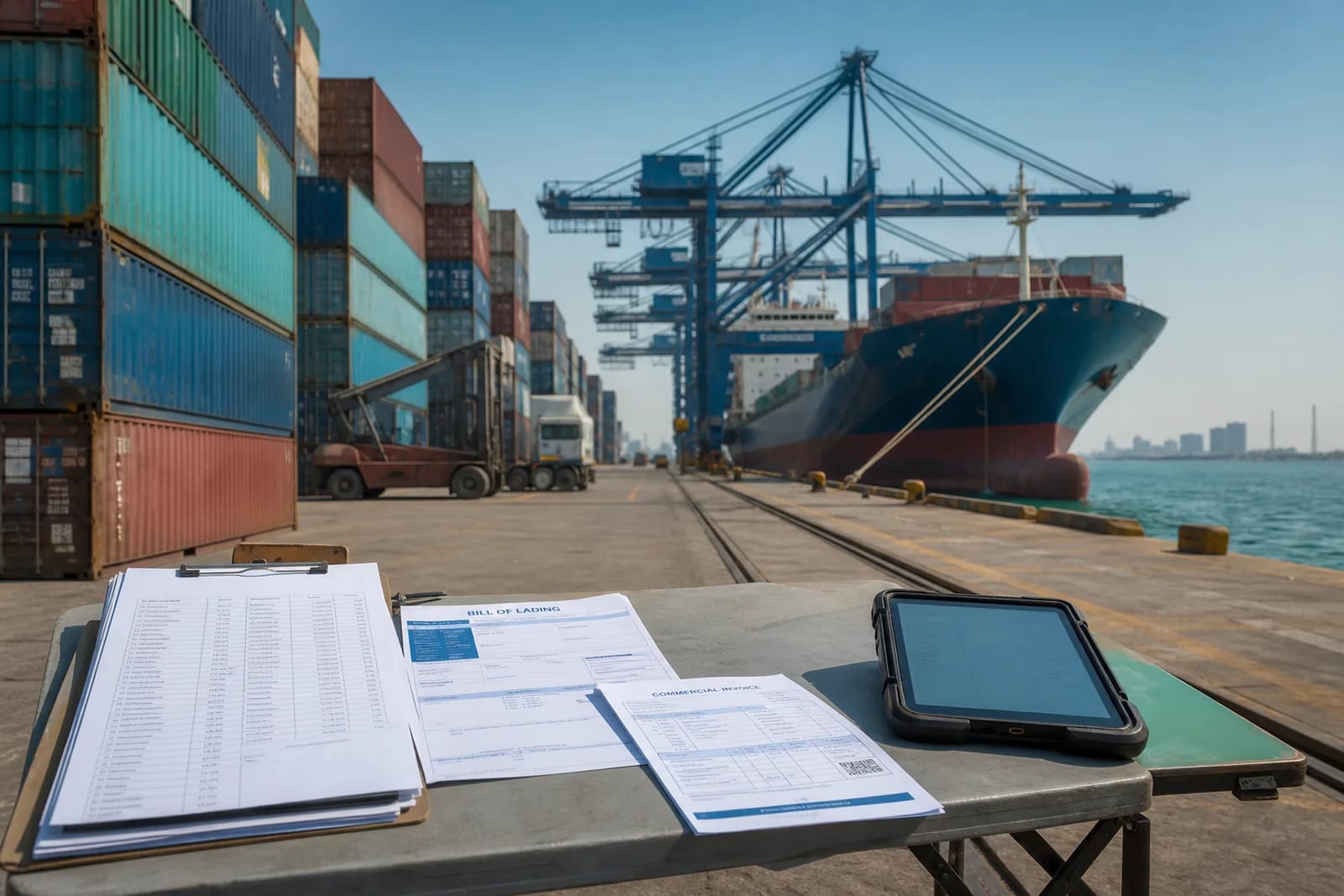
Demurrage and detention are among the most avoidable costs in shipping. They rarely appear in a budget, they grow every day, and they usually come from a document that was not ready in time.
What demurrage is
Demurrage is what the shipping line charges when a full container stays at the port or terminal longer than the free days allowed. The clock usually starts when the container is unloaded from the ship.
What detention is
Detention is what the shipping line charges when you keep its container outside the port for longer than the free days, for example while it waits at your warehouse to be unloaded and returned empty. Some lines combine the two into one charge. Port storage charges from the terminal can come on top.
Why they happen
Documents arrive late, so customs cannot be cleared. The declaration is held for a query or an inspection. Duty is not paid in time. A permit from another agency is missing. Or the warehouse cannot unload the container quickly enough. In nearly every case, the problem was visible before the ship arrived.
How to avoid them
Agree the free days with the shipping line or your forwarder before you book, and ask for more on busy routes. Check the shipping documents as soon as the supplier sends them, not when the ship arrives. File the declaration early where customs allows it. Have the duty funds ready. Plan unloading so the empty container goes back within the free time.
Count it in your landed cost
When demurrage does happen, it is part of what those goods cost you. Leave it out and your margin is overstated. In Customer Flow, each shipment shows its stage and what it is still waiting for, so missing documents are visible before arrival. Any port charges go onto the same file and into the landed cost.
To see what a few days of demurrage do to your cost per unit, try the free landed cost calculator.