
Import & export
Incoterms explained: the 11 rules and who pays for what
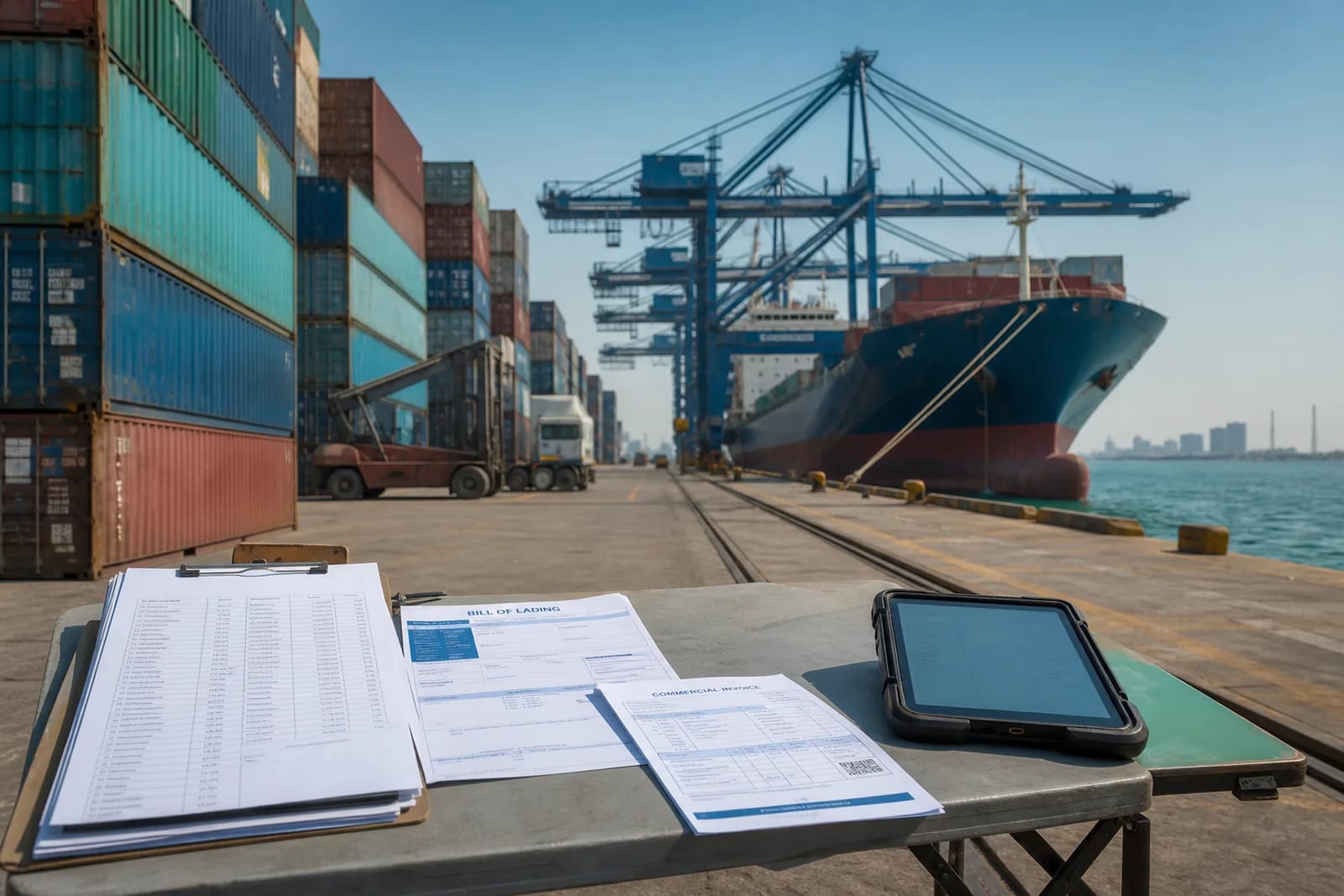
Incoterms are 11 standard trade rules published by the International Chamber of Commerce. Each one is a three-letter code, such as FOB or DAP, that says where the seller's job ends: who arranges and pays for transport and insurance, who handles export and import clearance, and the exact point where the risk of loss passes from seller to buyer. The current edition is Incoterms 2020.
What do Incoterms not cover?
They do not decide the price, when you get paid, or when ownership of the goods changes hands. Those belong in the sales contract. They also do not replace the customs rules of either country.
Which rules work for any transport?
Seven rules can be used for sea, air, road, rail or a mix. EXW (Ex Works): the buyer collects from the seller's premises and takes on almost everything. FCA (Free Carrier): the seller clears the goods for export and hands them to the buyer's carrier. CPT (Carriage Paid To) and CIP (Carriage and Insurance Paid To): the seller pays transport to the destination, but risk passes when the goods are handed to the first carrier; under CIP the seller also buys insurance. DAP (Delivered at Place): the seller delivers to the named place, ready for unloading. DPU (Delivered at Place Unloaded): the same, but the seller also unloads. DDP (Delivered Duty Paid): the seller delivers and also pays import duty and clears customs in the buyer's country.
Which rules are only for sea and inland waterway?
Four rules: FAS (Free Alongside Ship), FOB (Free On Board), CFR (Cost and Freight) and CIF (Cost, Insurance and Freight). Under FOB, risk passes once the goods are on board the vessel at the port of shipment. Under CFR and CIF the seller pays the sea freight, yet risk still passes at the port of shipment. That gap catches people out: the seller pays the freight, but the buyer carries the risk at sea.
Which Incoterm should I use?
For containers, FCA is often a better fit than FOB, because the seller usually hands a container to the carrier at a terminal, not over the ship's rail. DDP looks simple for the buyer, but it asks the seller to deal with import clearance in a country where they may have no presence. When in doubt, choose the rule that leaves each task with the party best placed to do it.
How do Incoterms change landed cost?
The rule decides which costs are already in the invoice price. On an FOB or FCA purchase, you still need to add freight, insurance, duty and port charges to know what the goods really cost. On CIF, freight and insurance are already in, but duty and local charges are not. Try the numbers in the free landed cost calculator, and read what landed cost includes.
In Customer Flow the Incoterm is recorded on the shipment file with the invoice and freight, so landed cost is worked out from the right starting point.