
Customs
What is an HS code, and why the wrong one costs you
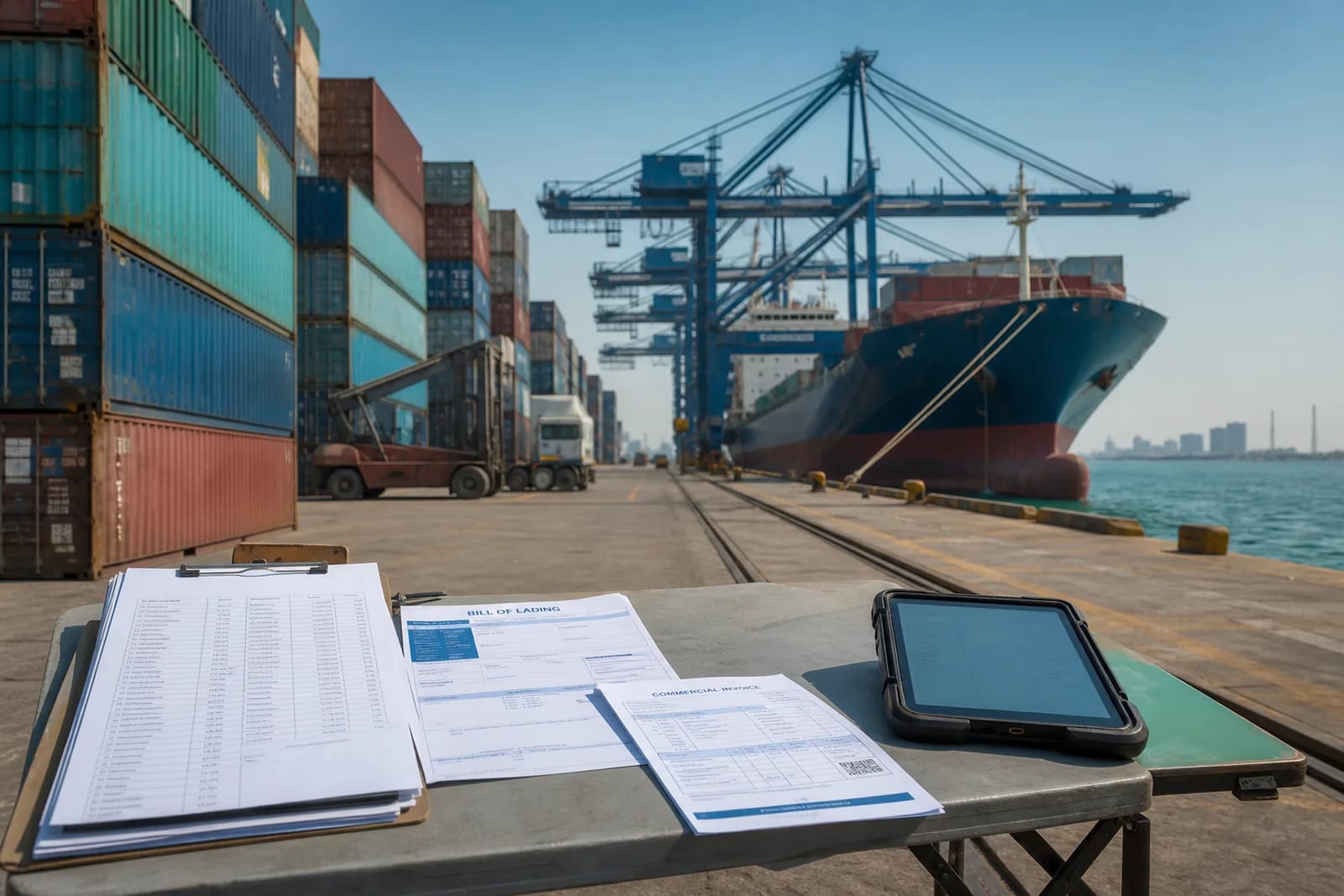
An HS code is the number customs uses to classify your goods. It decides the duty rate, which import rules apply, and whether you need a permit. Get it wrong and you can pay too much duty, too little, or have goods held while customs reviews them.
What the digits mean
HS stands for the Harmonized System, maintained by the World Customs Organization and used by most countries. The first six digits are shared internationally: two for the chapter, two for the heading and two for the subheading. Countries then add their own digits, often to eight or ten, to set national duty rates and rules.
So the first six digits of a product's code are usually the same in every country, while the full code and the duty rate differ from one country to the next.
How to find the right code
Start with what the product is made of and what it does, not what you call it. Work down from the chapter to the most specific line that fits. Your country's customs tariff lists every national code with its duty rate. When a product is hard to classify, ask your customs broker, or ask customs for a binding ruling so the answer is certain.
What a wrong code costs
A code with a higher rate means you overpay duty on every shipment. A code with a lower rate can bring back-duty, penalties and closer checks on future shipments. Either way, the mistake usually repeats on every order until someone notices.
Keep the code with the shipment
Most HS code problems are not bad decisions. They come from someone copying an old code from a spreadsheet. In Customer Flow, HS codes and their duty rates sit in a shared list, each shipment line uses one, and the audit trail shows who changed it and when. When customs asks why you used a code, you can show the record.
To see how the duty rate changes your real cost per unit, try the free landed cost calculator.