Import & export
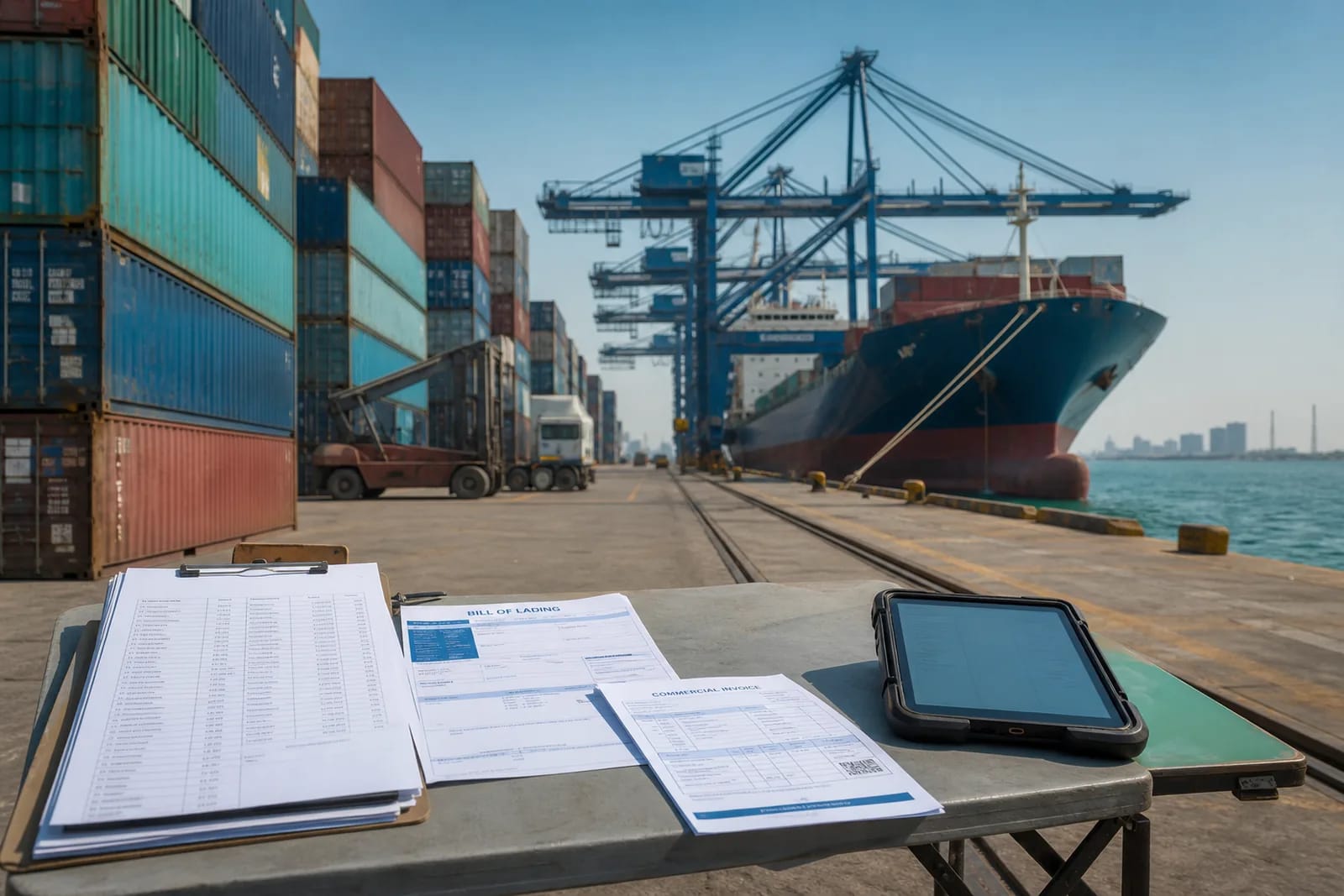
The commercial invoice tells you what the seller charged. It does not tell you what the goods cost you. Freight, insurance, duty, port charges, and inland haulage arrive on different documents, often after the container is already at the warehouse. If those lines live in a separate workbook, your margin report is a guess until someone remembers to paste them in.
Landed cost is the running total on the shipment file: invoice value plus the extras that made the goods usable in your country. Customer Flow keeps those extras on the same record as the packing list and the bill of lading. When duty is assessed, you are not hunting last month’s email for the HS code that finance used.

Teams that wait until month-end to “true up” cost train the commercial side to quote from invoice price alone. That works until a lane’s duty or freight moves. Putting landed cost on the live file does not replace a customs broker. It stops the broker’s numbers from dying in someone’s inbox.
If you import into Pakistan or the UAE, the filing pack changes; the need for one file does not. Start with the next consignment, attach the papers you already have, and add cost lines as they appear. The audit trail then shows when landed cost changed — which is the question finance actually asks.