
Logistics
Freight forwarder vs customs broker: who does what
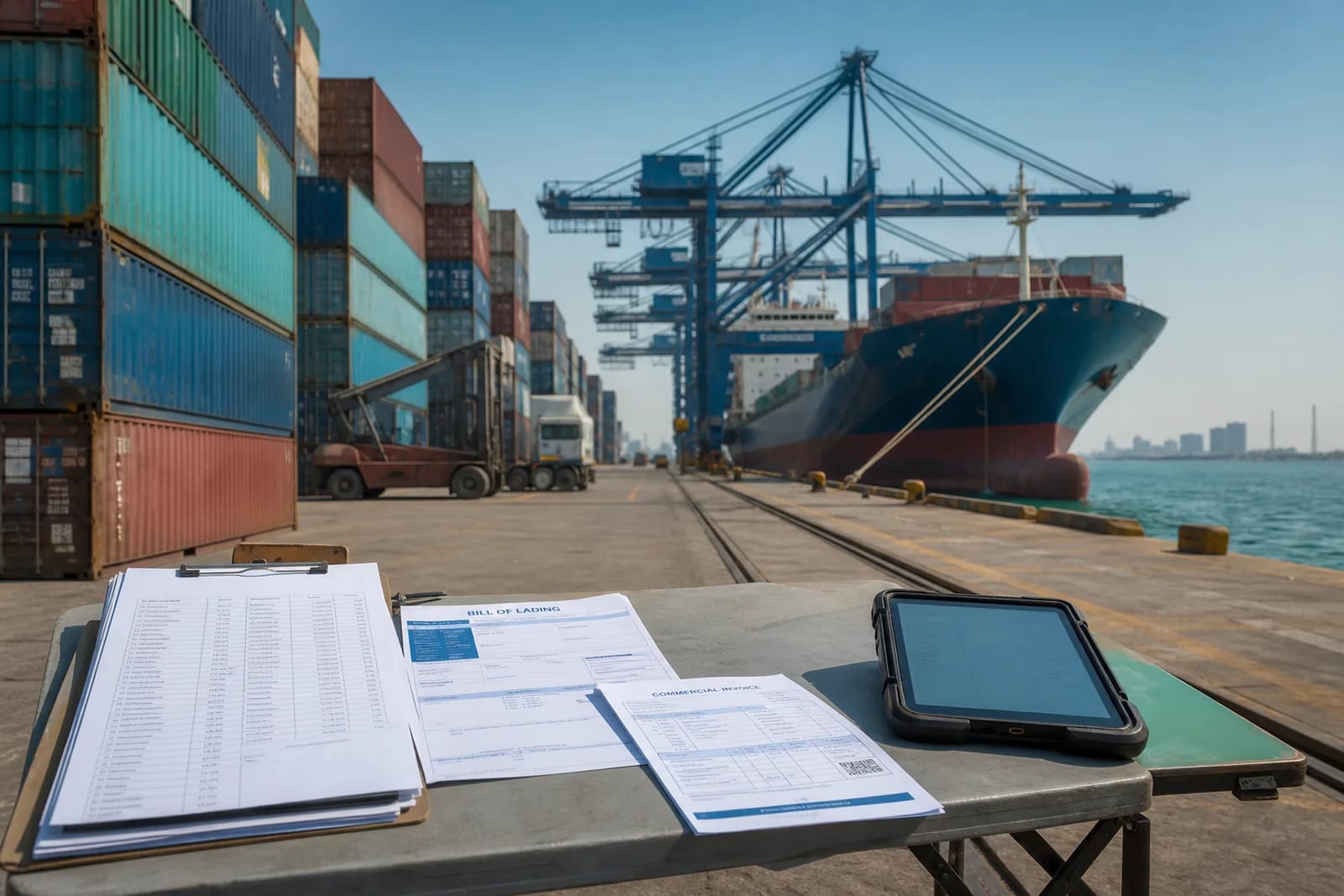
New importers and exporters often use the two terms as if they mean the same thing. They do not. One moves your goods. The other gets them through customs. Knowing who is responsible for what prevents expensive gaps.
What a freight forwarder does
A freight forwarder arranges the movement of your goods. They book space with shipping lines and airlines, arrange collection and delivery, consolidate small shipments into shared containers, and prepare or collect the transport documents. They usually do not own ships or aircraft. They buy capacity and manage the journey for you.
What a customs broker does
A customs broker handles customs clearance. They classify the goods with an HS code, prepare and file the customs declaration, work out the duty and taxes, and deal with customs queries and inspections. In many countries brokers must be licensed, because they act for you in front of customs.
When one company does both
Many forwarders have an in-house customs brokerage, or partner with one. For small importers that is often the simplest choice: one contact and one invoice. It still helps to know which person makes the classification decision, because the importer usually remains responsible for a wrong HS code.
Where the gaps appear
The forwarder thinks the broker has the certificate of origin. The broker is waiting for the final invoice. Meanwhile the container sits at the port, building up storage and demurrage charges. Most of these delays are not anyone's mistake. Nobody could see what was missing.
Give everyone the same file
Customer Flow keeps each shipment's documents, stage and costs on one file that your team, and the partners you invite, can work from. The forwarder's and the broker's charges go on the same record, so they appear in your landed cost straight away.
Want to see how their fees change your cost per unit? Try the free landed cost calculator.